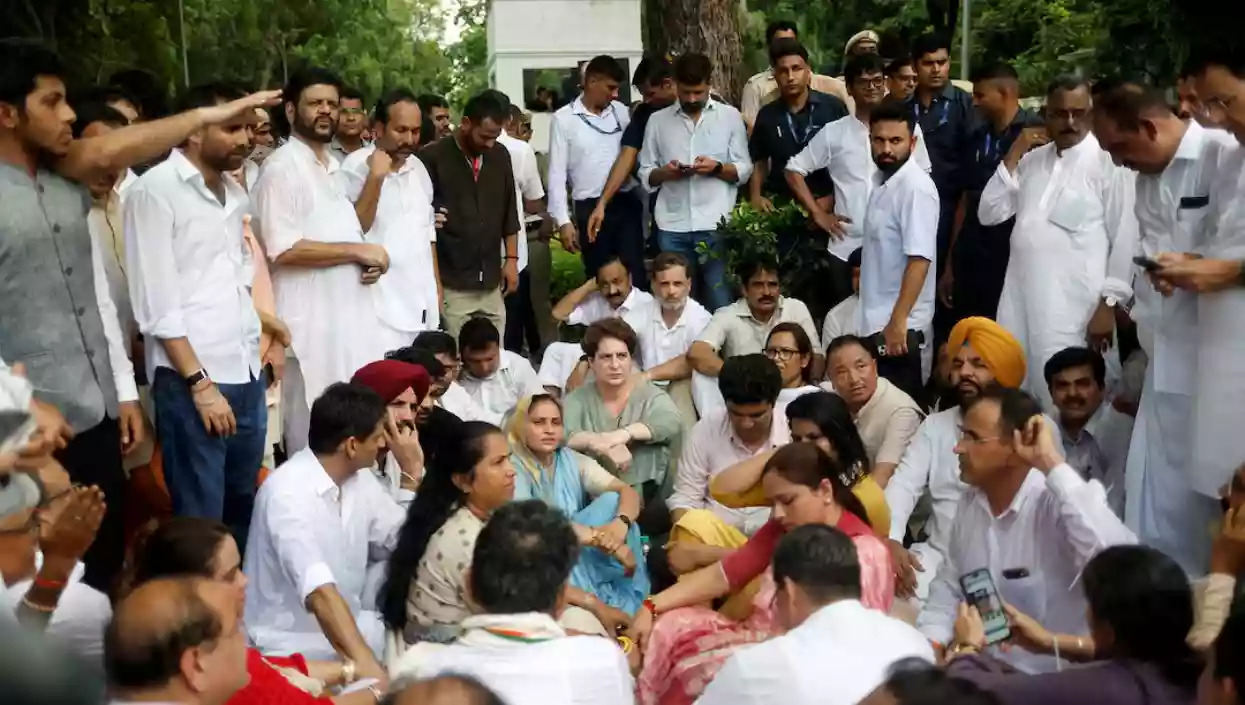
Police removes Rahul, Priyanka, other Congress leaders from dharna site near PM Modi's residence
.gif)

Download Mobile App 






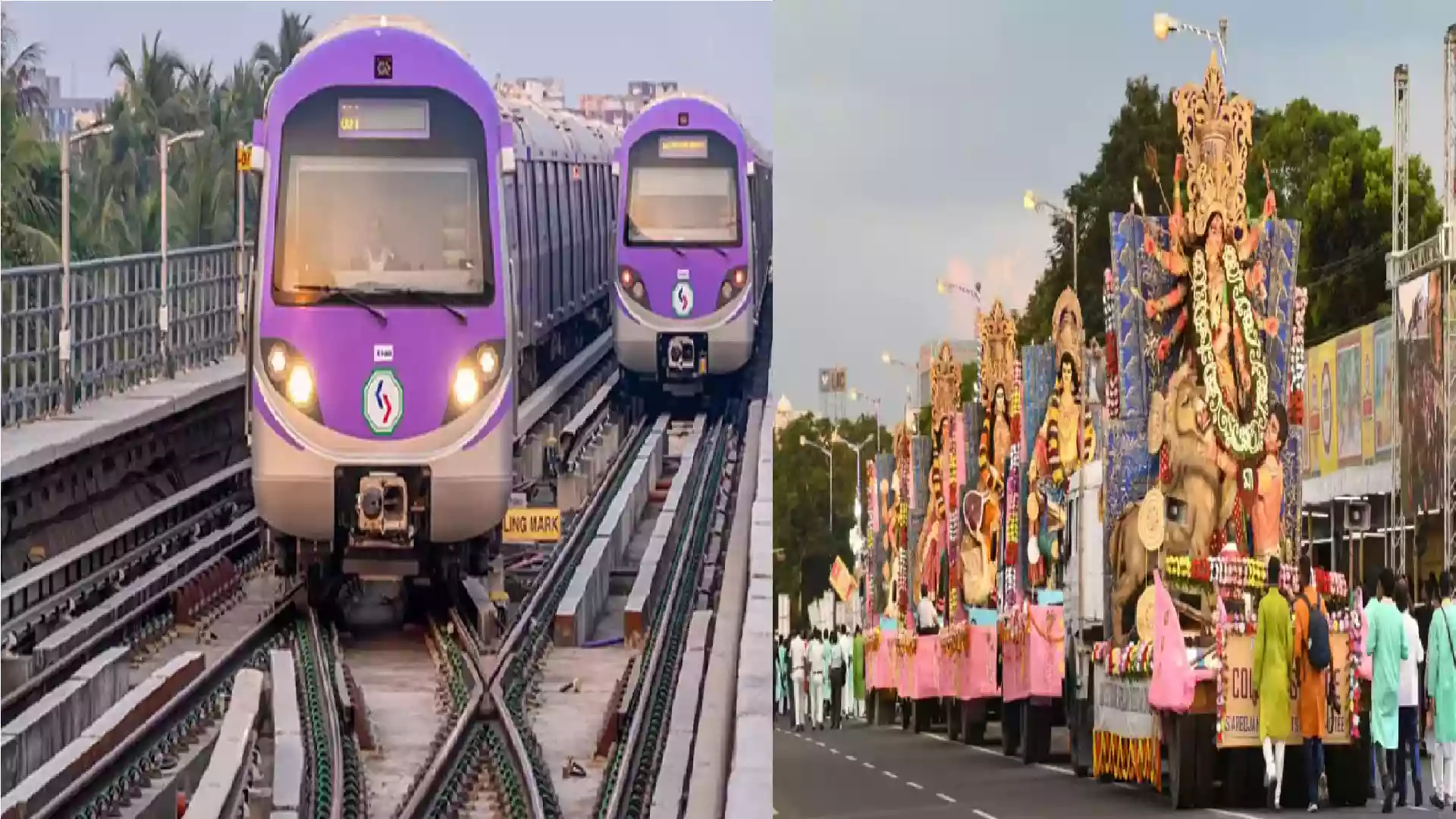
As the echoes of dhak beats and conch shells fade from Kolkata's idol immersions, the city's undying love for Durga Puja refuses to bow out quietly—proving once again that for Bengalis, the festival is an eternal flame, "ending yet never truly over." Tommorow, the crescendo arrives with the iconic Puja Carnival on Red Road, a dazzling parade where Kolkata's top pandal organizers will showcase their artistic masterpieces alongside vibrant floats, transforming the arterial stretch into a living canvas of creativity and color. Starting in the late afternoon, this spectacle draws thousands of locals, domestic tourists, and international visitors, blending street theater, music, and dance into a cultural extravaganza that culminates in immersions at Babughat. But this year, the magic extends beyond the streets: In a commuter-friendly twist, Kolkata Metro has announced extended services on its Blue and Green Lines till late night, ensuring festival-goers can hop back home without the hassle of taxis or traffic snarls. With six additional trains per direction running every 20 minutes post-regular hours, it's a nod to the city's pulse—keeping the revelry alive and accessible, as authorities gear up for an estimated 50,000-strong crowd under twinkling lights and monsoon-fresh skies.The Puja Carnival, a fixture since the early 2010s, has evolved into Kolkata's post-Puja highlight, reviving the spirit of the festival through community-led displays that celebrate everything from environmental themes to satirical takes on urban life. Imagine the scene: Towering Durga idols from famed pandals like those in Ekdalia or Behala, perched on mechanized chariots, weaving through barricaded lanes amid cheers and fireworks, with performers in resplendent costumes reenacting myths and modern tales.
Organizers from over 20 premier clubs are set to participate, turning Red Road—a historic boulevard near Eden Gardens—into a mile-long runway of joy. For visitors, it's more than a parade; it's an immersive goodbye to Maa Durga, with food stalls hawking puchkas and mishti doi, and live bands belting out Tagore classics. This edition, themed around "Unity in Diversity," promises eco-friendly elements like recycled props, aligning with the city's growing green consciousness, while security teams and volunteers ensure a smooth flow from 4 PM onwards.Logistics have been fine-tuned to handle the frenzy, with Kolkata Police deploying extra personnel, CCTV drones, and medical units along the route, learning from past years' minor stampedes. The carnival kicks off at 4:30 PM tommorow from near the Victoria Memorial, snaking to Babughat by 8 PM for the poignant river immersions under floodlit Hooghly waters. What elevates this to a modern marvel, though, is the Metro's intervention—announced via a crisp notification on October 3—to ferry crowds seamlessly. Regular services wrap up around 9:30-10 PM, but these bonus runs cater to those lingering for the finale, preventing a post-event exodus nightmare. Commuters can now plan guilt-free: Catch the parade, savor the vibes, and glide underground to suburbs without missing the last ride. It's a small but savvy upgrade, reflecting how Kolkata's infrastructure is syncing with its cultural heartbeat.
Diving into the details, the extended metro services target high-demand corridors linking the carnival hub to key residential belts. On the Blue Line (Dakshineswar-Shahid Khudiram corridor), three up trains from Shahid Khudiram to Dakshineswar depart at 10:03 PM, 10:23 PM, and 10:43 PM, while down trains from Dakshineswar to Shahid Khudiram leave at 9:53 PM, 10:13 PM, and 10:33 PM—perfect for northbound and southbound flows. Switching to the Green Line (Salt Lake Sector V-Howrah Maidan), the reciprocity shines: Three trains each way at 10:20 PM, 10:40 PM, and 11:00 PM, bridging east Kolkata's tech hubs to the southern heartland. Spaced every 20 minutes, these six extras per route (up and down) are a lifeline for families with kids or elderly revellers, who might otherwise dread the late-night cab hunt. Metro officials emphasized safety, urging smart cards or app-based QR tickets to zip through gates, with helpdesks at Esplanade and Howrah stations dishing out real-time updates. Environmentally, the event scores points with zero-plastic zones and e-rickshaw shuttles from Maidan to Red Road, underscoring Puja's shift towards sustainability amid climate whispers. Astommorow dawns, Kolkata braces for this bittersweet finale, where the carnival's rhythms will mingle with the river's gentle lap, sealing Durga Puja's legacy in hearts and headlines. It's more than an event; it's the city's soul on parade—resilient, radiant, and ever-evolving. With Metro's late-night lifeline, the night promises to be as inclusive as the festival itself, inviting everyone from die-hard devotees to casual wanderers to partake in the farewell. In a world racing forward, moments like these remind us why Puja endures: Not just in pandals or processions, but in the shared joy of moving together, underground and under stars.



.webp)


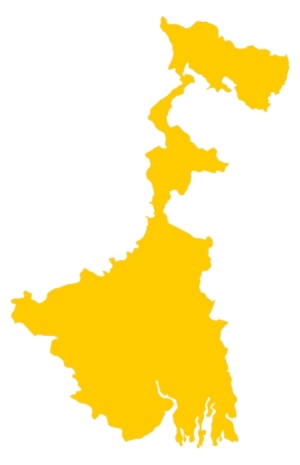 West Bengal
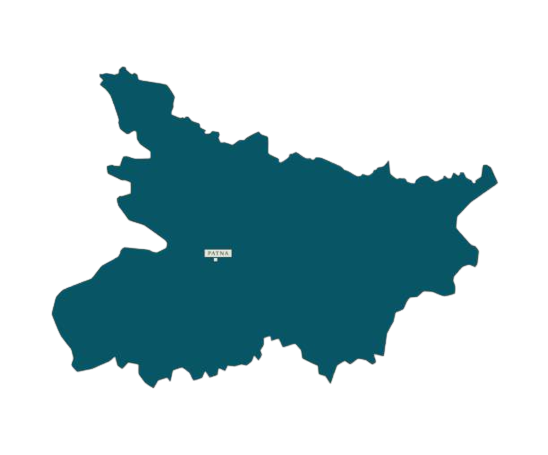 Bihar
Bihar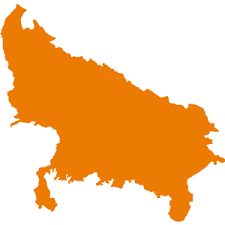 Uttar Pradesh
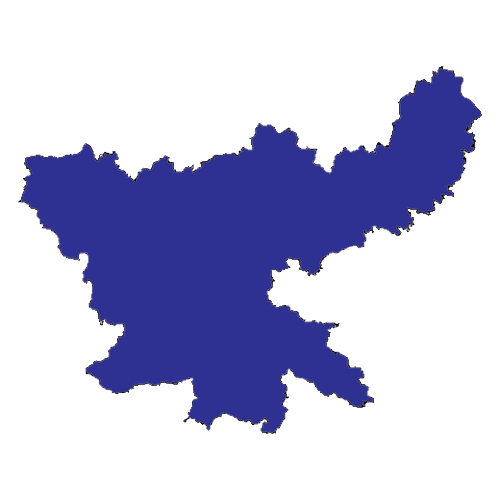 Jharkhand